
Moving Plant – Reducing Workplace Safety Incidents

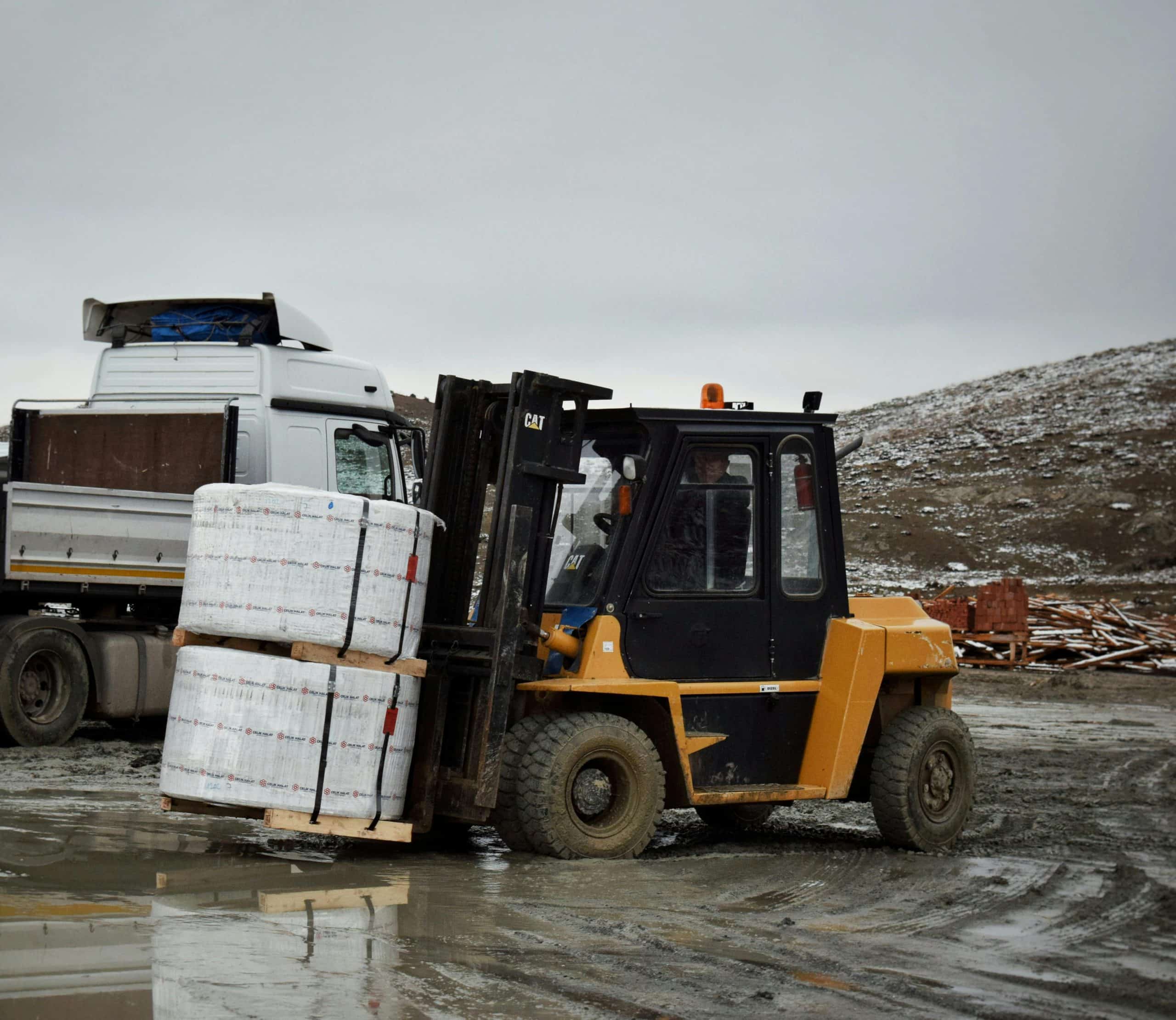
Forklifts, elevated work platforms, loaders, pallet jacks and other moving plant are essential to Australian industry. From warehouses and logistics hubs to construction sites and manufacturing facilities, these machines keep operations moving efficiently. Unfortunately, they also remain one of the leading causes of serious workplace injuries and fatalities across Australia.

Among all types of moving plant, forklifts continue to present a particularly high risk. Collisions, pedestrian impacts, tip-overs, falling loads and poor traffic management contribute to incidents that can permanently change lives and significantly disrupt businesses.

Reducing these incidents requires more than compliance paperwork. It demands a practical, site-wide safety culture supported by training, engineering controls, supervision and continuous improvement.

Why Moving Plant Incidents Continue to Occur

Many organisations already have procedures in place, yet incidents still happen because of gaps between policy and day-to-day operations.

Common contributing factors include:

  • Pedestrians and forklifts sharing the same space
  • Poor visibility in warehouses or yards
  • Inadequate traffic management plans
  • Operator fatigue or distraction
  • Lack of refresher training
  • Time pressure and unsafe shortcuts
  • Poor maintenance of plant and equipment
  • Unstable or improperly secured loads
  • Inexperienced or unlicensed operators
  • Complacency in familiar environments

In many cases, incidents are not caused by a single failure, but by multiple small risks aligning at the same time.

Forklifts: One of the Highest-Risk Types of Moving Plant

Forklifts are deceptively dangerous. Although they often operate at relatively low speeds, their weight, turning characteristics and limited visibility can create severe hazards.

A standard forklift can weigh several tonnes, often much heavier than the load it is carrying. Even at slow speeds, collisions can result in crushing injuries or fatalities.

Some of the most common forklift-related incidents include:

Pedestrian Collisions

Workers on foot are at greatest risk when forklifts operate in mixed-use areas without proper separation controls.

Tip-Overs

Forklifts can overturn due to:

  • Excessive speed
  • Turning while elevated
  • Uneven ground
  • Overloading
  • Incorrect load positioning

Falling Loads

Loads may fall when:

  • Pallets are damaged
  • Loads are poorly balanced
  • Operators brake suddenly
  • Forks are incorrectly positioned

Dock and Loading Area Incidents

Busy loading zones create high-risk interactions between trucks, forklifts and pedestrians, particularly during peak operational periods.

Building a Safer Workplace Around Moving Plant

Reducing incidents requires layered controls rather than relying on a single safety measure.

Separate Pedestrians and Plant Wherever Possible

Physical separation remains one of the most effective controls.

Practical measures include:

  • Dedicated pedestrian walkways
  • Safety barriers and guardrails
  • Clearly marked exclusion zones
  • Separate entry and exit points
  • Designated crossing areas
  • One-way traffic systems

Where physical separation is not possible, administrative controls and reduced speed limits become critical.

Develop a Practical Traffic Management Plan

A traffic management plan should reflect actual site conditions rather than exist solely as a compliance document.

An effective plan should identify:

  • Vehicle routes
  • Pedestrian pathways
  • Blind spots
  • High-risk intersections
  • Loading and unloading zones
  • Speed limits
  • Parking areas
  • Emergency access routes

Plans should also be reviewed whenever layouts, workflows or equipment change.

Invest in High-Quality Operator Training

Licensing alone does not guarantee competence.

Operators should receive:

  • Site-specific inductions
  • Familiarisation with each plant type
  • Practical hazard awareness training
  • Refresher training
  • Emergency response instruction

Training should also extend beyond operators. Pedestrians working around moving plant need to understand:

  • Exclusion zones
  • Blind spots
  • Right-of-way procedures
  • Communication signals
  • Safe crossing behaviours

Use Technology to Reduce Human Error

Modern safety technologies can significantly reduce risk when implemented correctly.

Examples include:

  • Proximity detection systems
  • Blue safety lights
  • Reverse cameras
  • Speed limiting devices
  • Telematics and impact monitoring
  • Collision avoidance systems
  • Operator access control systems

While technology is not a substitute for safe systems of work, it can provide an additional layer of protection.

Prioritise Preventive Maintenance

Mechanical failures can quickly become serious safety events.

Maintenance programs should include:

  • Pre-start inspections
  • Scheduled servicing
  • Immediate defect reporting
  • Removal of unsafe equipment from service
  • Tyre and brake inspections
  • Fork integrity checks
  • Hydraulic system inspections

Operators should feel empowered to report faults without fear of operational delays or criticism.

Improve Visibility Across the Site

Poor visibility contributes to many moving plant incidents.

Workplaces can improve visibility through:

  • Better lighting
  • Convex mirrors at intersections
  • Marked crossing zones
  • Reduced storage heights near corners
  • Audible warning systems
  • High-visibility clothing requirements

Warehouse layouts should also minimise blind corners and congested travel paths.

Address Fatigue and Time Pressure

Rushed environments often create unsafe decisions.

Common examples include:

  • Speeding to meet deadlines
  • Carrying unstable loads
  • Skipping inspections
  • Operating while fatigued
  • Ignoring pedestrian controls

Leaders should monitor workloads and production expectations to ensure safety is not compromised by operational pressure.

Leadership Plays a Critical Role

Workplace safety outcomes are heavily influenced by leadership behaviour.

When supervisors and managers:

  • Follow site rules,
  • Address unsafe behaviours immediately,
  • Encourage reporting,
  • Allocate time for training,
  • And prioritise safety over speed,

workers are more likely to adopt safe behaviours themselves.

On the other hand, inconsistent enforcement quickly undermines safety systems.

Encouraging Near-Miss Reporting

Many serious incidents are preceded by smaller warning signs.

Encouraging workers to report:

  • Near misses,
  • Unsafe conditions,
  • Traffic conflicts,
  • Equipment faults,
  • And procedural gaps

can help organisations identify risks before injuries occur.

Importantly, reporting systems should focus on learning and prevention rather than blame.

Compliance Matters, But Culture Matters More

Australian workplace health and safety laws place clear duties on employers to eliminate or minimise risks associated with moving plant so far as is reasonably practicable.

However, genuine safety improvement goes beyond compliance checklists.

The safest workplaces typically share several characteristics:

  • Strong leadership commitment
  • Worker consultation
  • Continuous improvement
  • Practical procedures
  • Ongoing training
  • Clear accountability
  • Open communication

Safety becomes most effective when it is embedded into operational decision-making rather than treated as a separate function.

Final Thoughts

Reducing incidents involving moving plant requires a combination of engineering controls, operational discipline, training and leadership commitment.

No single intervention will eliminate risk entirely. But organisations that proactively separate pedestrians and vehicles, improve visibility, strengthen training, maintain equipment and foster a strong reporting culture can significantly reduce the likelihood of serious incidents.

In high-risk environments, even small improvements can prevent life-changing injuries.

For Australian businesses, investing in moving plant safety is not only a legal obligation, it is a critical part of protecting workers, maintaining productivity and building a resilient workplace culture.

Sherm Software can help your organisation identify risks before injuries occur with the ability for workers to report incidents quickly and effectively with the use of Sherm’s Mobile App with notification sent immediately to management.

Get in touch with us and learn how Sherm can help you stay on top of worker licences and training, pre-start inspections to ensure plant is safe for use, and many other features to help your organisation remain a safe place to work.

Electrical Powerlines – Reducing Risks

Electrical powerlines are part of almost every Australian worksite. From construction and civil works to agriculture, logistics, arboriculture and mining, overhead and underground electrical assets create a constant risk that can become catastrophic in seconds. Contact with live powerlines can result in serious injury, fatalities, fires, explosions, plant damage, network outages and significant legal consequences for businesses and workers alike.

One of the most effective ways to reduce these risks is through the strict maintenance of electrical exclusion zones. Understanding what exclusion zones are, how they work, and how to maintain them consistently is essential for every Australian workplace operating near energised electrical infrastructure.

Why Powerline Safety Matters

Electricity does not require direct contact to cause harm. High-voltage electricity can arc across gaps, meaning workers, tools, scaffolding, cranes, elevated work platforms, tip trucks and other plant can become energised simply by getting too close.

Across Australia, incidents involving overhead powerlines remain one of the leading causes of workplace electrocutions and serious electrical injuries. Many of these incidents occur during relatively routine activities such as:

  • Operating cranes or mobile plant
  • Delivering materials with tipper trucks
  • Moving irrigation equipment
  • Installing roofing or scaffolding
  • Tree trimming and vegetation management
  • Excavation and earthworks near underground cables
  • Transporting oversized loads
  • Using ladders or long conductive tools

The consequences extend beyond the immediate incident. Businesses may face investigations, prosecutions, project shutdowns, insurance implications and reputational damage under Australian work health and safety legislation.

Understanding Electrical Exclusion Zones

An exclusion zone is the minimum safe distance that workers, plant, equipment or materials must maintain from energised electrical assets unless specific control measures and authorisations are in place.

These distances are designed to prevent:

  • Direct contact with electrical conductors
  • Electrical arcing
  • Unintentional encroachment during movement
  • Equipment sway or load shift entering danger areas

Exclusion zone requirements vary between Australian states, territories and network operators. Factors influencing required distances include:

  • Voltage level
  • Type of electrical infrastructure
  • Whether the worker is authorised or trained
  • The type and size of plant being used
  • Environmental conditions
  • Whether spotters or physical barriers are in place

Because requirements differ across jurisdictions, organisations should always consult the relevant regulator and electricity network provider before commencing work.

Common Causes of Exclusion Zone Breaches

Despite widespread awareness campaigns, exclusion zone breaches continue to occur due to a combination of operational and human factors.

Inadequate Site Planning

Many incidents begin before work even starts. Failure to identify overhead or underground electrical assets during planning can leave workers exposed once equipment arrives onsite.

Effective planning should include:

  • Reviewing site drawings and utility maps
  • Conducting site inspections
  • Identifying all overhead and underground services
  • Assessing plant movement paths
  • Considering maximum reach and load swing
  • Consulting electricity asset owners

Poor Visibility and Environmental Conditions

Powerlines can be difficult to see against certain backgrounds, particularly at sunrise, sunset or during poor weather conditions. Vegetation, structures and terrain can further obscure visibility.

Wind can also cause:

  • Powerline movement
  • Load sway
  • Reduced control of suspended materials

These variables can quickly reduce safe separation distances.

Complacency Around Familiar Tasks

Many powerline incidents involve experienced workers performing routine activities. Familiarity can create a false sense of confidence, especially on repeat worksites.

Workers may incorrectly assume:

  • The line is insulated
  • The line has been isolated
  • Their equipment will not reach the line
  • Spotters are monitoring continuously
  • Minor encroachments are harmless

Maintaining vigilance is critical regardless of experience level.

Maintaining Effective Exclusion Zones

Maintaining exclusion zones requires more than simply marking distances on a site plan. It demands a layered risk management approach involving engineering controls, administrative systems, training and active supervision.

Conduct a Detailed Risk Assessment

Before any work begins near powerlines, organisations should undertake a comprehensive risk assessment that considers:

  • Voltage and location of electrical assets
  • Nature of the work
  • Plant dimensions and operating range
  • Ground conditions
  • Traffic flow
  • Environmental conditions
  • Emergency response procedures

The assessment should determine whether work can be redesigned to eliminate the risk entirely.

Eliminate or Minimise Exposure Wherever Possible

The safest option is always to avoid working near energised powerlines altogether. This may involve:

  • Relocating work areas
  • Changing delivery routes
  • Using smaller equipment
  • Altering excavation methods
  • Scheduling temporary power isolation with the network operator

Where elimination is not reasonably practicable, minimisation controls become essential.

Use Physical Barriers and Visual Controls

Visual reminders help reinforce exclusion zones onsite. Common controls include:

  • Warning signage
  • Barrier bunting
  • Goalposts
  • Height restriction devices
  • Painted ground markings
  • Dedicated no-go zones

These controls should be clearly visible to operators from all working positions.

Implement Competent Spotters

Spotters play a critical role when plant operates near exclusion zones. However, a spotter is only effective when properly trained, positioned and empowered to stop work immediately if risks escalate.

A competent spotter should:

  • Maintain uninterrupted visual contact
  • Understand exclusion distances
  • Use clear communication methods
  • Avoid undertaking other tasks simultaneously
  • Have authority to direct operators

Importantly, spotters should never be treated as the sole control measure.

Ensure Plant Operators Are Properly Trained

Operators working near electrical assets must understand:

  • Electrical hazards and arcing risks
  • Plant reach limitations
  • Emergency response procedures
  • Exclusion zone requirements
  • Site-specific controls

Training should be reinforced through:

  • Pre-start meetings
  • Toolbox talks
  • Site inductions
  • Refresher training
  • Practical competency assessments

Technology Is Improving Powerline Safety

Modern technologies are helping Australian workplaces reduce exclusion zone breaches more effectively than ever before.

Emerging controls include:

  • Height and slew limiters
  • Proximity warning systems
  • GPS-enabled geofencing
  • Crane anti-collision systems
  • Real-time telemetry and monitoring
  • Drone-assisted inspections

While technology can significantly reduce risk, it should complement, not replace safe systems of work and competent supervision.

Emergency Response Preparedness

Even with strong controls in place, organisations must prepare for potential incidents.

If plant contacts powerlines:

  1. The operator should remain inside the cabin where safe to do so.
  2. Other workers must stay away from the equipment.
  3. Emergency services and the electricity provider should be contacted immediately.
  4. The area should be isolated until declared safe.

If evacuation becomes necessary due to fire or immediate danger, workers should jump clear without touching the plant and ground simultaneously, then shuffle or hop away while keeping feet together to minimise step potential risk.

Emergency procedures should be rehearsed regularly so workers can respond quickly under pressure.

Legal Responsibilities Under Australian WHS Laws

Under Australian work health and safety legislation, employers and persons conducting a business or undertaking (PCBUs) have a duty to eliminate or minimise electrical risks so far as is reasonably practicable.

This includes ensuring:

  • Safe systems of work
  • Proper risk assessments
  • Worker training and supervision
  • Appropriate plant selection
  • Compliance with exclusion zone requirements
  • Consultation with relevant electricity authorities

Workers also have responsibilities to:

  • Follow safety procedures
  • Use equipment correctly
  • Report hazards
  • Avoid unsafe behaviours

Regulators across Australia continue to enforce electrical safety obligations aggressively, particularly following serious incidents or fatalities.

Building a Strong Powerline Safety Culture

Sustainable powerline safety depends on workplace culture as much as procedures. Organisations with strong safety performance typically:

  • Encourage hazard reporting
  • Stop unsafe work immediately
  • Reinforce exclusion zone discipline
  • Conduct regular audits and inspections
  • Learn from near misses
  • Invest in ongoing training

When workers understand both the seriousness of electrical hazards and the practical controls available to manage them, exclusion zones become part of everyday operational thinking rather than an afterthought.

Final Thoughts

Reducing the risk of workers or plant coming within an unsafe distance of electrical powerlines requires proactive planning, strong supervision, effective training and unwavering attention to exclusion zones.

Electrical incidents are often sudden, severe and unforgiving. However, most are preventable when organisations commit to robust risk management practices and ensure exclusion zones are clearly understood and consistently maintained.

For Australian businesses operating near electrical infrastructure, exclusion zones are not simply regulatory requirements, they are critical life-saving controls that protect workers, communities and operations every day.

Sherm Software will help your organisation reduce risks by ensuring training is up to date, inspections are conducted regularly, hazards are reported easily and you stay compliant. Get in touch with us and see how easy all this can be with Sherm.

The Importance of Conducting a Gap Analysis

In an increasingly regulated and risk-aware business environment, organisations are expected to demonstrate robust management of work health and safety (WHS), quality, and environmental responsibilities. These expectations are driven by legislation, industry standards, customer requirements, and broader societal demands for safe, ethical, and sustainable operations. One of the most effective ways for companies to ensure their management systems meet these obligations is through conducting a comprehensive gap analysis.

A gap analysis is a structured assessment that compares an organisation’s current practices against relevant legal requirements, standards, and best-practice frameworks. When applied across WHS, quality, and environmental management systems, it becomes a critical tool for identifying weaknesses, managing risk, and driving continual improvement.

Understanding Management System Gaps

Management systems such as WHS, quality, and environmental frameworks are often aligned with recognised standards, including ISO 45001 (Work Health and Safety), ISO 9001 (Quality), and ISO 14001 (Environmental Management). However, simply having policies or certifications in place does not guarantee compliance or effectiveness.

A gap analysis examines the difference between what is currently being done and what should be done to meet:

  • Legislative requirements (such as WHS Acts and Regulations)
  • International and Australian Standards
  • Industry codes of practice
  • Client, contractor, and supply-chain expectations

By identifying these gaps, organisations gain a clear and evidence-based understanding of where systems fall short, are inconsistent, or are not fully implemented.

Strengthening Legal and Regulatory Compliance

One of the most compelling reasons to conduct a gap analysis is to ensure compliance with laws and regulations. Under WHS legislation, organisations have a primary duty of care to provide a safe working environment. Failure to comply can result in serious incidents, prosecutions, financial penalties, and reputational damage.

Similarly, environmental legislation imposes strict obligations regarding pollution control, waste management, and resource use, while quality requirements are often embedded in contractual and consumer protection frameworks.

A gap analysis helps organisations:

  • Identify areas of non-compliance before regulators do
  • Address outdated procedures that no longer align with current legislation
  • Demonstrate due diligence and proactive risk management

This proactive approach significantly reduces the likelihood of enforcement action and supports defensible decision-making if incidents occur.

Improving Risk Management and Performance

Effective risk management is central to WHS, quality, and environmental systems. Without a clear understanding of system gaps, risks may remain unrecognised or inadequately controlled.

A gap analysis enables organisations to:

  • Identify missing or ineffective risk controls
  • Highlight inconsistencies between documented procedures and actual practice
  • Detect areas where staff competency, training, or awareness is insufficient

By addressing these gaps, organisations can reduce workplace injuries, product or service failures, and environmental incidents. This leads to improved operational performance, reduced downtime, and lower costs associated with rework, claims, and remediation.

Supporting Certification and Integrated Management Systems

Many organisations seek or maintain certification to ISO standards as a way of demonstrating credibility and consistency. A gap analysis is often the first step in achieving certification or transitioning between standards (for example, upgrading from older versions of ISO standards).

For organisations operating integrated management systems—where WHS, quality, and environmental requirements are managed together—a gap analysis helps:

  • Identify duplication or conflicting processes
  • Streamline documentation and governance
  • Align objectives and performance measures across systems

This integration improves efficiency and ensures that compliance efforts support broader business goals rather than operating in silos.

Enhancing Governance and Leadership Oversight

Strong governance requires visibility over risks and controls. Boards and senior leaders are increasingly accountable for WHS and environmental outcomes, particularly in high-risk industries.

A structured gap analysis provides leadership with:

  • Clear, objective insights into system maturity
  • Prioritised actions based on risk and impact
  • Evidence to support strategic investment in safety, quality, and sustainability initiatives

This level of insight allows leaders to make informed decisions and demonstrates a genuine commitment to responsible corporate management.

Building a Culture of Continuous Improvement

Beyond compliance, gap analysis plays a key role in fostering a culture of continuous improvement. It encourages organisations to move beyond “minimum compliance” and focus on effectiveness, efficiency, and resilience.

When conducted regularly, a gap analysis:

  • Encourages open discussion about system weaknesses
  • Engages workers and managers in improvement initiatives
  • Tracks progress over time and measures the effectiveness of corrective actions

This continuous improvement mindset supports long-term sustainability and adaptability in a changing regulatory and business landscape.

Conclusion

Conducting a gap analysis of work health and safety, quality, and environmental management systems is not merely a compliance exercise—it is a strategic business imperative. It enables organisations to identify risks, meet legal obligations, improve performance, and strengthen governance.

By investing time and resources into a thorough gap analysis, companies position themselves to protect their people, deliver consistent quality, minimise environmental impact, and build trust with regulators, clients, and the broader community. Ultimately, a well-executed gap analysis supports safer, more efficient, and more sustainable business operations.

Get in touch with us and make conducting your gap analysis easier. Or better still, subscribe to Sherm Software and you will be able to see and rectify gaps as they arise.

Work Health and Safety Requirements in Australia for 2026

As Australia enters 2026, employers and safety officers must stay vigilant in implementing and adapting to updated Work Health and Safety (WHS) obligations. WHS laws across Australia are governed by the model WHS Act and supported by WHS Regulations and Codes of Practice, which are adopted by each state and territory. The national policy is shaped by Safe Work Australia, while individual regulators enforce the rules on the ground.

Ongoing Duty to Provide a Safe Workplace

At the foundation of WHS laws is the primary duty of care for Persons Conducting a Business or Undertaking (PCBUs). This duty requires PCBUs to ensure, so far as is reasonably practicable, the health and safety of workers and others affected by their work. This includes:

  • Identifying hazards and assessing risks in all work activities.
  • Implementing control measures, using the hierarchy of controls.
  • Maintaining and reviewing controls to ensure ongoing effectiveness.
  • Consulting with workers about WHS issues and risk management.

Failure to meet these duties can result in significant penalties and enforcement action by WHS regulators.

Regulatory Updates Taking Effect in 2026

Psychosocial Hazards and Mental Health

Mental health and psychosocial hazards — such as bullying, excessive job demands, fatigue, poor organisational change management, and harassment — are now explicitly part of WHS risk management in many jurisdictions. New codes of practice and updated guidance seek to help duty holders identify and control these risks, with practical steps to prevent both psychological and physical harm.

Sexual and Gender-Based Harassment Code of Practice

From March 2025, a national Code of Practice on Sexual and Gender-Based Harassment came into effect. Employers must take proactive steps to prevent harassment (in person or online) and to establish appropriate controls, handling, and reporting processes.

Indexation of Penalties

Under recent changes, penalties under the WHS Act are indexed annually to reflect economic conditions. This means fines for breaches increase regularly, making compliance even more critical for PCBUs and officers.

Industry and Hazard-Specific Requirements

Workplace Exposure Standards

Australia is transitioning from Workplace Exposure Standards (WES) to Workplace Exposure Limits (WEL) for airborne contaminants. While WEL won’t apply until 1 December 2026, employers must still comply with current WES limits and prepare for the transition to the new limits, which may be stricter and align more closely with international benchmarks.

State and Territory Regulation Changes

Several jurisdictions have updated or remade their WHS Regulations to clarify duties and operations:

  • New WHS Regulations commenced in NSW in August 2025 with updated procedural requirements and risk management duties, including strengthened psychosocial risk provisions.
  • The ACT has revised multiple WHS Codes of Practice effective from late 2025 to reflect national model updates, covering noise, confined spaces, construction work, and risk controls.

Practical Steps for WHS Compliance in 2026

To meet WHS requirements in the new year, PCBUs and safety officers should focus on the following:

Conduct comprehensive risk assessments

Evaluate physical, chemical, biological, and psychosocial hazards. Document risks and apply the hierarchy of controls to eliminate or minimise them.

Review and update WHS documentation

Ensure policies, procedures, and codes of practice references are current and aligned with 2026 Regulations. Update safety management systems accordingly.

Train and consult with workers

Engage workers on WHS issues, ensure they understand hazards and controls, and involve them in risk management and continuous improvement efforts.

Prepare for WEL transition

Review your chemical exposure assessments and adjust controls in anticipation of WEL adoption from December 2026.

Plan for emergency and first aid readiness

Establish emergency plans, maintain first-aid resources, and conduct regular drills consistent with business.gov.au guidance.

Enforcement and Culture

Regulators in each state and territory will continue to enforce WHS laws through inspections, notices, and potential prosecutions for non-compliance. Promoting a proactive safety culture, where workers feel empowered to raise concerns without fear of reprisal, is one of the most effective ways to meet legal obligations and reduce workplace harm.

Conclusion

The WHS framework in Australia for 2026 builds on existing laws that require PCBUs to protect workers and others from harm. Key areas of focus this year include managing psychosocial hazards, complying with updated codes of practice, preparing for changes to exposure limits, and maintaining dynamic risk management practices. Employers and safety officers should prioritise these updates to ensure legal compliance and foster safer, healthier workplaces.

Sherm Software is here to help with all of these requirements, from managing the health and safety of your workers, subcontractors and visitors to site, to ensuring you are complying with updated codes of practice by having them available at your fingertips anytime in your Legal Register.

Get in touch with us today and see how amazing Sherm is.

End-of-Year WHS: What Every Workplace Should Prioritise

As the end of the year approaches, many workplaces experience increased pressure, changing schedules, and shifting priorities. While it can be a rewarding time, it also brings a unique set of Work Health and Safety (WHS) risks. The combination of fatigue, staff shortages, festive events, and operational deadlines means safety systems can easily become strained.

To ensure a safe and compliant close to the year—and a strong start to the next—businesses should take a proactive, structured approach to WHS. Here are the key concerns and obligations employers should address during the final months of the year.

Managing Fatigue and Workload Pressures

Why it matters

End-of-year deadlines, increased customer demand, and leave-related staffing gaps often result in longer hours or compressed workloads. Fatigue reduces concentration, slows reaction time, and significantly increases the risk of incidents.

Employer obligations

  • Monitor hours worked and ensure employees take adequate rest breaks
  • Review rosters to avoid excessive overtime or back-to-back shifts
  • Encourage reporting of fatigue-related concerns without stigma
  • Ensure management leads by example in maintaining sustainable workloads

Recommended actions

  • Implement fatigue checks for high-risk roles
  • Communicate clear expectations around workload management
  • Consider temporary staffing to avoid overburdening teams

Seasonal Stress and Mental Health Risks

Why it matters

End-of-year stressors—both professional and personal—can heighten psychological risks. High workloads, performance reviews, financial pressures, and holiday-related stress can impact wellbeing.

Employer obligations

  • Identify and manage psychosocial hazards as part of WHS duties
  • Provide access to mental health support services (e.g., EAP)
  • Foster a culture where psychological safety is prioritised

Recommended actions

  • Check in with staff about workplace pressures
  • Promote wellbeing initiatives and remind staff of support resources
  • Train supervisors to identify signs of stress or burnout

Safety Risks During End-of-Year Shutdowns or Ramp-Ups

Many businesses either slow down significantly or push into high-activity periods depending on the industry. Both come with WHS considerations.

If your workplace shuts down

  • Conduct shutdown inspections: electrical, plant, security, and hazardous substances
  • Develop procedures for safe isolation of equipment
  • Communicate clear shutdown responsibilities and timelines

If operations intensify

  • Reconfirm competency of all staff operating plant or equipment
  • Ensure temporary or seasonal workers receive full WHS inductions
  • Increase supervision in high-risk or high-traffic areas

Safe Celebrations and End-of-Year Events

Why it matters

Work functions—whether onsite or offsite—can introduce WHS risks related to alcohol, travel, behaviour, and environment.

Employer obligations

  • Provide a safe environment and manage foreseeable risks
  • Set clear standards of behaviour aligned with workplace policies
  • Have transport options or safe-travel guidance for attendees

Recommended actions

  • Communicate conduct expectations before events
  • Limit alcohol service and provide food and non-alcoholic options
  • Ensure managers understand their responsibilities during events

Reviewing Incidents, Hazards and Risk Controls

The end of the year is a strategic time to reflect on safety performance and prepare for the year ahead.

Employer obligations

  • Document and investigate all incidents and near misses
  • Review risk assessments for relevance and accuracy
  • Consult workers on what’s working and what needs improvement

Recommended actions

  • Analyse WHS data for trends
  • Update safety procedures and training plans
  • Schedule early-year WHS training refreshers

Ensuring Compliance With Legal and Reporting Requirements

End-of-year periods can distract from mandatory compliance obligations. Businesses should ensure no WHS requirements are overlooked.

Key obligations may include (depending on jurisdiction):

  • Maintaining up-to-date safety documentation and registers
  • Meeting reporting requirements for notifiable incidents
  • Ensuring licenses, permits, and certifications are current
  • Keeping training records complete and accurate

Recommended actions

  • Conduct an internal WHS audit or compliance check
  • Assign responsibility to a dedicated WHS coordinator or manager
  • Set up automated reminders for time-sensitive obligations

Preparing for the New Year

A strong start to the upcoming year depends on planning before the current year ends.

Recommended actions

  • Schedule safety meetings and training for the start of the new year
  • Update WHS objectives and targets
  • Plan maintenance or upgrades during shutdown periods
  • Communicate early about key safety initiatives for the coming year

Conclusion

End-of-year WHS management is not just about compliance—it’s about protecting people during a period known for higher risk. By focusing on fatigue, mental health, safe celebrations, operational changes, and compliance obligations, employers can safeguard their teams and set the stage for a productive and safe new year.

New Hearing Test Requirements for NSW Employers and Workers

New South Wales has introduced strengthened workplace hearing test requirements designed to reduce the risk of noise-induced hearing loss, one of the most common yet preventable workplace injuries in Australia. These obligations, set out under Clause 58 of the Work Health and Safety Regulation 2025 (NSW), came into force on 1 January 2024 and apply to any workplace where hazardous noise is present. While the Regulation commenced in early 2024, employers have been given until 1 January 2026 to complete the first round of testing for workers who were already employed before the changes began.

Who the Requirements Apply To

The new rules apply to workers who are frequently required to wear hearing protection because noise levels in their work environment exceed the legal exposure standard. This standard is defined as an eight-hour average noise level of 85 dB(A) or a peak noise level of 140 dB(C). When noise exceeds these limits and engineering or administrative controls cannot fully reduce exposure, personal hearing protection becomes necessary — and audiometric testing becomes mandatory.

Baseline and Ongoing Testing

Under the Regulation, any new worker entering a role involving hazardous noise must undergo a baseline audiometric test within three months of starting the job. This initial test establishes a reference point for future comparisons and allows early signs of hearing damage to be identified.

After the baseline test, all affected workers must be tested at least once every two years. In workplaces where noise levels are particularly high — such as environments consistently approaching or exceeding 100 dB(A) — more frequent testing may be required to ensure any hearing changes are detected quickly.

For workers who were already employed before 1 January 2024, the first test under the new requirements must be completed by 1 January 2026, giving employers a two-year transition period to bring their workforce into compliance.

How Testing Must Be Conducted

Audiometric testing under Clause 58 refers specifically to pure-tone air conduction threshold testing, which measures a worker’s hearing sensitivity in each ear across a range of frequencies. The assessment must be carried out by a competent person, such as a qualified audiologist or trained occupational health provider, in accordance with recognised standards like AS/NZS 1269.4:2014.

Before the test, the tester should examine the worker’s ear canals for obstructions such as ear wax, which could affect the accuracy of the results. After the test, the worker must receive an explanation of their results, including whether any changes in hearing thresholds have been identified.

What Happens if Hearing Loss Is Detected

A central purpose of the new requirements is to ensure that employers not only test workers’ hearing but also act on the findings. If a test shows a significant permanent threshold shift or signs of hearing damage such as tinnitus, the employer is required to review the workplace’s noise controls. This may involve improving engineering solutions, altering work practices, upgrading hearing protection, or retraining workers to ensure equipment is fitted and worn correctly.

If the worker’s hearing loss affects their ability to perform their duties safely, the employer should consider reasonable adjustments, such as providing quieter work areas, alternative tasks, or additional communication support, depending on the nature of the job.

Record Keeping and Worker Rights

Employers must maintain confidential records of all audiometric test results. These records help track changes in hearing over time and serve as an important part of the employer’s WHS documentation. Workers must be provided with a copy of each of their results and should receive their records if they leave the organisation.

The strengthened requirements also give workers clearer rights: the right to be tested, the right to understand their hearing health, and the right to expect meaningful action if hearing loss is identified.

Why These Requirements Matter

Noise-induced hearing loss is irreversible, but it can be prevented through monitoring and early intervention. By embedding audiometric testing into the WHS Regulation, NSW has recognised that hearing protection alone is not sufficient. Regular testing ensures that PPE is genuinely effective and that broader noise-control measures are functioning as intended.

For employers, the responsibilities are now explicit: they must identify which roles involve hazardous noise, schedule and pay for audiometric testing, keep accurate records, and take corrective action where needed. For workers, the new requirements offer greater protection and visibility around their hearing health, ensuring potential issues are detected before lasting damage occurs.

Moving Forward

As the 1 January 2026 deadline approaches for existing workers, it is essential that businesses review which roles fall under the Regulation and put in place a clear testing plan. Many workplaces are already turning to mobile audiometric providers and scheduled rotation systems to ensure assessments are carried out efficiently with minimal disruption.

Ultimately, these reforms aim to create safer, healthier workplaces where hearing loss is no longer an accepted consequence of high-noise environments but a preventable outcome supported by robust monitoring and regulatory oversight.

Sherm Safety Management Software helps to ensure your workers audiometric tests are current using Health Information records which are maintained in the People module. A Review Date attached to the audiometric test information in Sherm, allows for notifications to be sent to Management ensuring retesting every two years is scheduled.

Sherm maintains all records of audiometric test results, allowing the employer to track changes in hearing over time easily. Workers also have access to their audiometric test results and other Health Information when required.

Get in touch with us today and learn more about Sherm Software’s features.

National Safe Work Month 2025

Every October, businesses across Australia take part in National Safe Work Month, an initiative led by Safe Work Australia to promote workplace health, safety, and wellbeing. It’s an important opportunity for employers to reflect on their current safety practices, engage employees in meaningful discussions about risk prevention, and strengthen their overall safety culture.

Below are key considerations for employers to focus on during this month—and beyond.

Review and Refresh Work Health and Safety (WHS) Policies

National Safe Work Month is an ideal time to review WHS policies and procedures. Check that all documentation aligns with current legislation, codes of practice, and the specific risks associated with your industry.

  • Are your safety policies up to date with recent regulatory changes?
  • Do they clearly outline responsibilities, reporting mechanisms, and emergency procedures?
  • Are they communicated effectively to all employees?

A brief annual audit can ensure your systems remain compliant and practical.

Reassess Risk Management and Control Measures

Conduct a risk assessment review to ensure all control measures remain effective. Workplaces evolve—new technologies, materials, and processes can introduce new hazards.

Employers should:

  • Revisit existing risk registers.
  • Update safety data sheets (SDS) and signage.
  • Check that personal protective equipment (PPE) is suitable and well maintained.
  • Consult with workers about any emerging risks they’ve noticed.

This proactive approach helps prevent incidents rather than reacting to them.

Reinforce Training and Competency

A strong safety culture depends on knowledge and consistency. National Safe Work Month is a good time to:

  • Review your induction and refresher training programs.
  • Ensure high-risk work licences and first aid certifications are current.
  • Provide targeted toolbox talks or workshops focusing on this year’s safety theme (for example, “Working Together for Safe, Healthy, and Productive Workplaces”).

Well-trained employees are more confident, productive, and less likely to be injured.

Promote Mental Health and Wellbeing

Workplace safety extends beyond physical hazards. Employers should consider how their practices support psychosocial wellbeing, including workload management, bullying prevention, and work-life balance.
Encourage open conversations about mental health, offer Employee Assistance Programs (EAPs), and provide training for leaders to recognise signs of stress and burnout.

Safe Work Australia’s Model Code of Practice: Managing Psychosocial Hazards offers useful guidance for all industries.

Encourage Worker Participation and Consultation

Safety works best when everyone is involved. During National Safe Work Month, employers can strengthen engagement by:

  • Holding safety forums, toolbox talks, or team challenges.
  • Recognising workers who contribute to safer practices.
  • Reviewing consultation mechanisms with Health and Safety Representatives (HSRs) and committees.

When employees feel heard and empowered, safety becomes a shared value rather than a compliance task.

Celebrate Success and Set Future Goals

Finally, use October to acknowledge achievements and set safety goals for the next 12 months.

Highlight improvements—such as reduced incident rates, successful audits, or new wellbeing initiatives—and discuss areas for ongoing development.

Recognition reinforces commitment and motivates continuous improvement.

Final Thoughts

National Safe Work Month is more than a campaign—it’s a reminder that every worker deserves to return home safe and healthy every day. Employers play a central role in making that happen by leading with commitment, consistency, and care.

By reviewing policies, engaging staff, and fostering open communication, businesses can build safer, stronger, and more resilient workplaces all year round.

Let us help you make reviewing your WHS Management System easier by subscribing to our safety management software, Sherm.

With Sherm, Auditing has never been easier to ensure your systems remain compliant.

Conduct Risk Assessments, ensure Training is completed and your workers are Competent, encourage worker participation and promote mental health and wellbeing all within our easy to use software system.

Sherm Software has it all, get in touch today and see for yourself.

Employer Obligations: Travel, Safety, and Pre-Shift Work – What You Need to Know

Employers have a legal responsibility to look after their workers, not just while they’re on site, but also when they’re travelling for work or carrying out tasks before their shift officially starts.

Getting these details right is essential for compliance with the Fair Work Act 2009 (Cth), Work Health and Safety (WHS) laws, and state and territory Workers’ Compensation Acts. Let’s unpack what this means in practice for employers and employees.

The Two Core Duties Every Employer Has

No matter the industry or job type, employers have two key obligations when it comes to travel and pre-shift work:

  1. Pay for all hours worked

Employees must be paid for any time they spend performing work-related duties, even if it happens outside rostered hours or before they officially “clock on.”

  1. Ensure health and safety for all work-related activities

Employers have a duty of care to protect workers’ health and safety while they are at work, and that includes time spent travelling as part of their job.

Health and Safety When Travelling for Work

Under the Work Health and Safety Act 2011 (Cth), employers must do everything reasonably practicable to keep workers safe. This doesn’t stop at the worksite gate, it extends to any work-related travel.

Employers should:

  • Provide safe vehicles and equipment.
  • Manage risks such as fatigue, weather conditions, and long driving hours.
  • Offer journey management plans and ensure rest breaks are built into schedules.
  • Have emergency communication and check-in systems for remote or regional travel.

If a worker is travelling between sites or visiting clients, that journey is part of their job, meaning both safety obligations and workers’ compensation coverage apply.

Do You Have to Pay for Travel Time?

Not all travel is created equal in the eyes of the law. Here’s how it breaks down:

Travel Type Paid Time? Covered by WHS / Workers’ Comp? Notes
Ordinary commute (home to regular workplace) No Usually not Normal commuting time isn’t paid or covered
Travel between worksites or to off-site duties Yes Yes Paid as work time and covered for safety and insurance
Collecting work vehicle or tools before shift Yes Yes Counts as pre-shift work
Overnight or interstate travel for work Yes Yes Paid for duties and travel within ordinary working hours

If the travel occurs after the employee has started work or is part of their duties, it must be paid.

Paying for Pre-Shift Work

Pre-shift work is one of the most common compliance blind spots for employers.

Under the Fair Work Act, if an employee performs any work-related activity before or after their rostered hours, and it’s required or expected, that time must be paid.

Examples include:

  • Attending pre-start or toolbox meetings.
  • Logging into computer systems or checking emails before a shift.
  • Setting up tools or workstations.
  • Conducting pre-start vehicle or safety checks.
  • Collecting materials or equipment for the day.

Even short pre-shift tasks count as “time worked” and must be recorded and paid at the appropriate rate (ordinary or overtime).

Failing to pay for this time can lead to Fair Work Ombudsman investigations, back-pay orders, and financial penalties.

Integrating Pay and Safety Obligations

Travel and pre-shift work policies should connect payroll, HR, and safety obligations. Here’s how they fit together:

Area Employer Responsibility Legal Basis
Safety during travel Manage driving and fatigue risks, ensure vehicle safety WHS Act 2011
Payment for work-related travel Pay for travel time when it’s part of duties Fair Work Act 2009
Payment for pre-shift work Pay for all duties performed outside rostered hours Fair Work Act 2009
Workers’ compensation Ensure cover for all work-related travel and duties State/Territory laws
Record keeping Maintain accurate timesheets and records of hours worked Fair Work Regulations 2009

Best Practices for Employers

To stay compliant and fair:

  • Define start and finish times clearly in contracts and policies.
  • Pay for any required work before or after official shifts.
  • Assess travel risks, especially for field staff and remote workers.
  • Keep records of all hours worked and travel time.
  • Maintain vehicles and equipment used for work-related travel.
  • Provide fatigue management training and schedule adequate rest breaks.

Real-World Example

A field technician collects a company ute from the depot at 7:30 a.m., attends a short safety meeting, then drives to the first job site. The rostered start time is 8:00 a.m.

In this case:

  • The pre-start meeting and vehicle checks are paid work.
  • The travel between the depot and job sites is paid time.
  • The employer must ensure the vehicle is safe and insured, allow adequate breaks, and provide workers’ compensation cover during travel.

Final Thoughts

Employer obligations around travel, safety, and pre-shift work go hand in hand. The key takeaway is simple, if a worker is performing duties or travelling as part of their job, that time is work time, and it must be both safe and paid.

By taking a proactive approach to managing travel risks, recording hours accurately, and compensating fairly, employers not only comply with the law but also build trust and protect their workforce.

Streamline Workplace Safety with Sherm’s ISO 45001 Software

Workplace safety is critical to business success, and having the right tools to manage occupational health and safety (OHS) efficiently is essential. Sherm Software offers an advanced ISO 45001-compliant solution that streamlines safety processes, ensuring compliance, reducing risks, and fostering a proactive safety culture.

What is ISO 45001 Software?

ISO 45001 is the international standard for OHS management systems, helping businesses identify risks, control hazards, and maintain compliance with safety regulations. Traditional safety management methods often involve manual documentation and disconnected systems, leading to inefficiencies. Sherm Software simplifies these processes by automating incident reporting, risk assessments, compliance tracking, and audit management.

With a centralised, cloud-based platform, Sherm Software enables organisations to monitor safety performance, track corrective actions, and ensure seamless communication among team members. This proactive approach helps prevent workplace accidents and reinforces a culture of continuous improvement.

Why Choose Sherm Software for ISO 45001 Compliance?

Sherm Software is designed to meet the unique safety needs of businesses, offering a user-friendly platform with key features such as:

The Benefits of Implementing Sherm Software

Investing in Sherm Software brings significant advantages, including:

  • Reduced Workplace Incidents – Proactive hazard identification and risk management prevent accidents, ensuring a safer work environment.
  • Increased Efficiency – Automating OHS processes saves time, reduces administrative burdens, and improves overall productivity.
  • Improved Regulatory Compliance – Businesses remain compliant with ISO 45001 and other legal requirements, reducing risks of penalties and fines.
  • Enhanced Employee Engagement – A user-friendly platform empowers employees to report hazards, participate in safety programs, and stay informed about workplace safety.

How Sherm Software Streamlines Safety Management

Sherm Software centralises all safety data, ensuring that businesses can monitor key performance indicators (KPIs) and safety trends in real time. With built-in analytics and reporting, businesses can make data-driven decisions, optimise safety processes, and demonstrate compliance during audits.

Additionally, Sherm’s cloud-based system allows access from any device, ensuring that safety managers, supervisors, and employees can collaborate seamlessly, regardless of location. Automated workflows eliminate the need for manual record-keeping, reducing human error and ensuring that safety initiatives are executed effectively.

Invest in Workplace Safety Excellence with Sherm

Ensuring workplace safety is not just about compliance—it’s about creating a secure and productive work environment. Sherm Software provides the tools needed to manage safety proactively, reduce risks, and drive operational excellence.

By implementing Sherm’s ISO 45001 software, businesses can stay ahead of regulatory requirements, build a safety-first culture, and enhance overall performance.

Discover how Sherm Software can revolutionise your workplace safety management today!

End of Year Staff Function

It’s that time of the year again

Everyone is ready to let their hair down at your end of year staff function, it’s well deserved of course after working tirelessly throughout the year. Just remember, you owe a duty of care to your workers and other guests at work functions.

Keep it simple with Sherm HSEQ Management System Software

Give your workers a refresher on relevant company policies and procedures prior to your work function, for example Drugs and Alcohol and Sexual Harassment, and remind workers that disciplinary action can be taken for any breaches of these policies and procedures. Sherm Software has all company documentation available at anytime, anywhere to all of your workers so it’s as easy as sending out a notification through Sherm to brush up on company policies and procedures.

Schedule training for workers through Sherm and you can be sure your obligations have been met

Schedule training on company policies for workers through Sherm Software and you will be notified of their attendance, ensuring everybody is aware of their obligations.

Give yourself an end of year bonus and Subscribe to Sherm Software