Forklifts, elevated work platforms, loaders, pallet jacks and other moving plant are essential to Australian industry. From warehouses and logistics hubs to construction sites and manufacturing facilities, these machines keep operations moving efficiently. Unfortunately, they also remain one of the leading causes of serious workplace injuries and fatalities across Australia.
Among all types of moving plant, forklifts continue to present a particularly high risk. Collisions, pedestrian impacts, tip-overs, falling loads and poor traffic management contribute to incidents that can permanently change lives and significantly disrupt businesses.
Reducing these incidents requires more than compliance paperwork. It demands a practical, site-wide safety culture supported by training, engineering controls, supervision and continuous improvement.
Why Moving Plant Incidents Continue to Occur
Many organisations already have procedures in place, yet incidents still happen because of gaps between policy and day-to-day operations.
Common contributing factors include:
- Pedestrians and forklifts sharing the same space
- Poor visibility in warehouses or yards
- Inadequate traffic management plans
- Operator fatigue or distraction
- Lack of refresher training
- Time pressure and unsafe shortcuts
- Poor maintenance of plant and equipment
- Unstable or improperly secured loads
- Inexperienced or unlicensed operators
- Complacency in familiar environments
In many cases, incidents are not caused by a single failure, but by multiple small risks aligning at the same time.
Forklifts: One of the Highest-Risk Types of Moving Plant
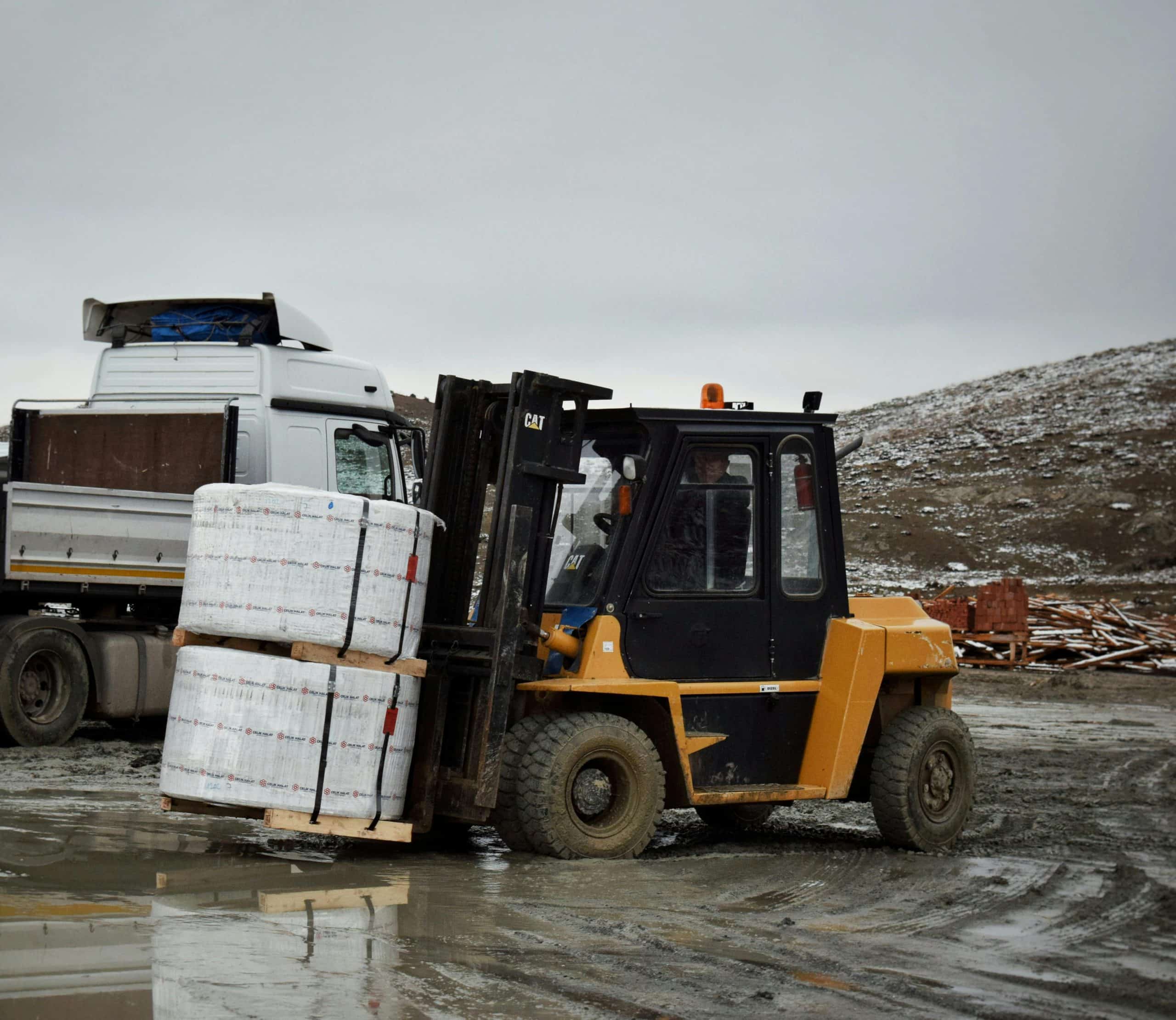
Forklifts are deceptively dangerous. Although they often operate at relatively low speeds, their weight, turning characteristics and limited visibility can create severe hazards.
A standard forklift can weigh several tonnes, often much heavier than the load it is carrying. Even at slow speeds, collisions can result in crushing injuries or fatalities.
Some of the most common forklift-related incidents include:
Pedestrian Collisions
Workers on foot are at greatest risk when forklifts operate in mixed-use areas without proper separation controls.
Tip-Overs
Forklifts can overturn due to:
- Excessive speed
- Turning while elevated
- Uneven ground
- Overloading
- Incorrect load positioning
Falling Loads
Loads may fall when:
- Pallets are damaged
- Loads are poorly balanced
- Operators brake suddenly
- Forks are incorrectly positioned
Dock and Loading Area Incidents
Busy loading zones create high-risk interactions between trucks, forklifts and pedestrians, particularly during peak operational periods.
Building a Safer Workplace Around Moving Plant
Reducing incidents requires layered controls rather than relying on a single safety measure.
Separate Pedestrians and Plant Wherever Possible
Physical separation remains one of the most effective controls.
Practical measures include:
- Dedicated pedestrian walkways
- Safety barriers and guardrails
- Clearly marked exclusion zones
- Separate entry and exit points
- Designated crossing areas
- One-way traffic systems
Where physical separation is not possible, administrative controls and reduced speed limits become critical.
Develop a Practical Traffic Management Plan
A traffic management plan should reflect actual site conditions rather than exist solely as a compliance document.
An effective plan should identify:
- Vehicle routes
- Pedestrian pathways
- Blind spots
- High-risk intersections
- Loading and unloading zones
- Speed limits
- Parking areas
- Emergency access routes
Plans should also be reviewed whenever layouts, workflows or equipment change.
Invest in High-Quality Operator Training
Licensing alone does not guarantee competence.
Operators should receive:
- Site-specific inductions
- Familiarisation with each plant type
- Practical hazard awareness training
- Refresher training
- Emergency response instruction
Training should also extend beyond operators. Pedestrians working around moving plant need to understand:
- Exclusion zones
- Blind spots
- Right-of-way procedures
- Communication signals
- Safe crossing behaviours
Use Technology to Reduce Human Error
Modern safety technologies can significantly reduce risk when implemented correctly.
Examples include:
- Proximity detection systems
- Blue safety lights
- Reverse cameras
- Speed limiting devices
- Telematics and impact monitoring
- Collision avoidance systems
- Operator access control systems
While technology is not a substitute for safe systems of work, it can provide an additional layer of protection.
Prioritise Preventive Maintenance
Mechanical failures can quickly become serious safety events.
Maintenance programs should include:
- Pre-start inspections
- Scheduled servicing
- Immediate defect reporting
- Removal of unsafe equipment from service
- Tyre and brake inspections
- Fork integrity checks
- Hydraulic system inspections
Operators should feel empowered to report faults without fear of operational delays or criticism.
Improve Visibility Across the Site
Poor visibility contributes to many moving plant incidents.
Workplaces can improve visibility through:
- Better lighting
- Convex mirrors at intersections
- Marked crossing zones
- Reduced storage heights near corners
- Audible warning systems
- High-visibility clothing requirements
Warehouse layouts should also minimise blind corners and congested travel paths.
Address Fatigue and Time Pressure
Rushed environments often create unsafe decisions.
Common examples include:
- Speeding to meet deadlines
- Carrying unstable loads
- Skipping inspections
- Operating while fatigued
- Ignoring pedestrian controls
Leaders should monitor workloads and production expectations to ensure safety is not compromised by operational pressure.
Leadership Plays a Critical Role
Workplace safety outcomes are heavily influenced by leadership behaviour.
When supervisors and managers:
- Follow site rules,
- Address unsafe behaviours immediately,
- Encourage reporting,
- Allocate time for training,
- And prioritise safety over speed,
workers are more likely to adopt safe behaviours themselves.
On the other hand, inconsistent enforcement quickly undermines safety systems.
Encouraging Near-Miss Reporting
Many serious incidents are preceded by smaller warning signs.
Encouraging workers to report:
- Near misses,
- Unsafe conditions,
- Traffic conflicts,
- Equipment faults,
- And procedural gaps
can help organisations identify risks before injuries occur.
Importantly, reporting systems should focus on learning and prevention rather than blame.
Compliance Matters, But Culture Matters More
Australian workplace health and safety laws place clear duties on employers to eliminate or minimise risks associated with moving plant so far as is reasonably practicable.
However, genuine safety improvement goes beyond compliance checklists.
The safest workplaces typically share several characteristics:
- Strong leadership commitment
- Worker consultation
- Continuous improvement
- Practical procedures
- Ongoing training
- Clear accountability
- Open communication
Safety becomes most effective when it is embedded into operational decision-making rather than treated as a separate function.
Final Thoughts
Reducing incidents involving moving plant requires a combination of engineering controls, operational discipline, training and leadership commitment.
No single intervention will eliminate risk entirely. But organisations that proactively separate pedestrians and vehicles, improve visibility, strengthen training, maintain equipment and foster a strong reporting culture can significantly reduce the likelihood of serious incidents.
In high-risk environments, even small improvements can prevent life-changing injuries.
For Australian businesses, investing in moving plant safety is not only a legal obligation, it is a critical part of protecting workers, maintaining productivity and building a resilient workplace culture.
Sherm Software can help your organisation identify risks before injuries occur with the ability for workers to report incidents quickly and effectively with the use of Sherm’s Mobile App with notification sent immediately to management.
Get in touch with us and learn how Sherm can help you stay on top of worker licences and training, pre-start inspections to ensure plant is safe for use, and many other features to help your organisation remain a safe place to work.