
Mid-Year Audit Planning: Aligning Strategy With WHS Trends

As the financial year gets underway, many Australian businesses are focused on budgets, growth plans, and operational priorities. However, the middle of the year is also an ideal time to assess another critical area of business performance, Work Health and Safety (WHS).

A mid-year WHS audit is more than a compliance exercise. It provides an opportunity to evaluate how effectively your current safety systems are working, identify emerging risks, and ensure your business is keeping pace with changing workplace expectations.

With evolving legislation, increased regulatory scrutiny, and new workplace risks continuing to emerge, businesses that review their WHS strategy mid-year are better positioned to protect their workers, maintain compliance, and support long-term business success.

Why Conduct a Mid-Year WHS Audit?

Annual reviews are important, but waiting until the end of the year to evaluate your safety systems can allow issues to persist for months.

A mid-year audit enables business owners to:

  • Identify gaps before they become compliance issues.
  • Review incident and near-miss trends from the first half of the year.
  • Assess whether existing controls remain effective.
  • Confirm that policies reflect current workplace activities.
  • Ensure workers have completed required training and competency refreshers.
  • Prepare for regulator inspections or external audits.

Rather than reacting to incidents, businesses can proactively strengthen their safety management systems.

WHS Trends Australian Businesses Should Consider

Workplaces continue to evolve, and so do the risks they face. During your mid-year review, consider whether your safety approach reflects current WHS trends.

  1. Greater Focus on Psychosocial Hazards

Mental health has become a key component of workplace safety.

Psychosocial hazards, including excessive workloads, workplace bullying, poor communication, fatigue, and role ambiguity, are now recognised as WHS risks that require the same level of attention as physical hazards.

Business owners should review:

  • Workload management
  • Employee wellbeing initiatives
  • Reporting processes
  • Leadership capability
  • Workplace culture

Addressing psychosocial risks early can improve both employee wellbeing and organisational performance.

  1. Increased Regulator Expectations

Australian WHS regulators continue to increase inspections and enforcement activities across many industries.

Businesses are expected to demonstrate not only that policies exist but that they are actively implemented, monitored, and reviewed.

Documentation should clearly show:

  • Risk assessments
  • Consultation with workers
  • Incident investigations
  • Corrective actions
  • Training records
  • Maintenance schedules

Strong records provide evidence that safety responsibilities are being effectively managed.

  1. Better Use of Safety Data

Many organisations now use safety data to identify trends before incidents occur.

Rather than focusing solely on injury statistics, businesses are monitoring:

  • Near misses
  • Hazard reports
  • Safety observations
  • Corrective action completion rates
  • Training compliance
  • Equipment inspections

Reviewing this information during a mid-year audit helps identify recurring issues that may otherwise go unnoticed.

  1. Contractor and Supply Chain Safety

Many businesses rely on contractors, subcontractors, and suppliers to deliver services.

A mid-year audit should confirm that contractor management processes remain effective, including:

  • Prequalification requirements
  • Inductions
  • Safe work procedures
  • Insurance documentation
  • Competency verification
  • Ongoing supervision

Managing contractor safety reduces risk across the entire operation.

Key Areas to Review During Your Mid-Year Audit

A structured audit provides a clear picture of your current WHS performance.

Consider reviewing:

Safety Management System

  • Policies and procedures
  • Risk management processes
  • Emergency plans
  • Safe work instructions

Workplace Inspections

  • Housekeeping standards
  • Plant and equipment condition
  • Hazard identification
  • Maintenance records

Training and Competency

  • New employee inductions
  • Refresher training
  • High-risk work licences
  • First aid qualifications

Incident Management

  • Incident reporting procedures
  • Investigation quality
  • Corrective action follow-up
  • Lessons learned

Worker Consultation

Consulting workers is a fundamental part of effective WHS management.

Review whether employees are:

  • Reporting hazards
  • Participating in safety meetings
  • Contributing to risk assessments
  • Providing feedback on controls

Workers often identify practical improvements that management may overlook.

Turning Audit Findings Into Action

The value of an audit lies in what happens after it is completed.

Prioritise findings according to risk, assign responsibilities, establish realistic timeframes, and monitor progress until actions are complete.

Business owners should also communicate improvements to employees. Demonstrating that concerns lead to meaningful action helps strengthen trust and encourages ongoing participation in workplace safety.

The Business Benefits of Mid-Year WHS Reviews

An effective WHS audit delivers more than regulatory compliance.

Businesses often experience:

  • Reduced workplace incidents
  • Improved operational efficiency
  • Lower workers’ compensation costs
  • Better employee engagement
  • Stronger reputation with clients and stakeholders
  • Greater confidence during regulator inspections

When safety becomes part of strategic planning rather than simply an administrative requirement, it contributes directly to business resilience and long-term performance.

Final Thoughts

Mid-year provides an ideal opportunity to step back and assess whether your WHS systems are supporting both your people and your business objectives.

By reviewing current performance, responding to emerging WHS trends, and addressing gaps before they escalate, Australian business owners can create safer workplaces while strengthening compliance and operational performance.

Rather than viewing a WHS audit as a once-a-year obligation, consider it an ongoing strategy that helps your business adapt, improve, and thrive in an evolving regulatory and workplace environment.

Learn more about audit readiness and use our free checklist to help with your mid-year audit plan.

Fixed Plant Safety

Workplace safety has always been a legal and moral responsibility for Australian businesses, but Queensland’s Workplace Health and Safety Queensland (WHSQ) is placing an even stronger emphasis on proactive compliance over the coming years. Through its WHS Compliance and Field Services Proactive Compliance Program 2024–2027, WHSQ is targeting high-risk industries and hazards before incidents occur, rather than simply responding after something goes wrong. The program is designed to improve compliance through education, inspections and enforcement in sectors where workers face the greatest risks.

One of the key hazards identified throughout the program is the safe use of plant, including fixed plant. For businesses operating manufacturing facilities, warehouses, food processing plants, distribution centres and other industrial workplaces, this is a timely reminder that plant safety should remain a priority, not just for compliance, but for protecting people.

What is Fixed Plant?

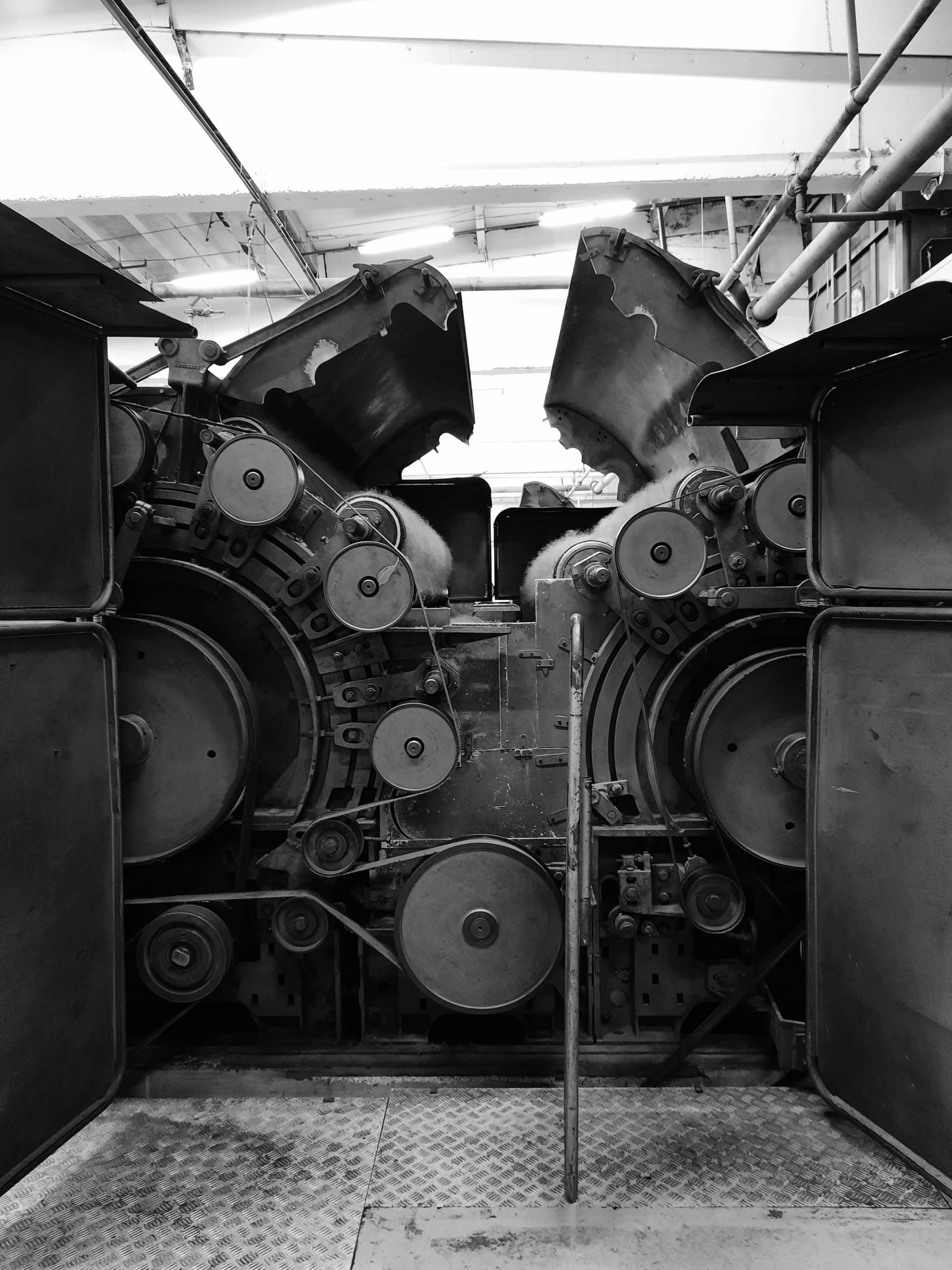
Fixed plant refers to machinery or equipment that is permanently installed or anchored in place to perform industrial or production tasks. Unlike mobile plant such as forklifts or excavators, fixed plant generally remains stationary throughout its operational life.

Common examples include:

  • Conveyor systems
  • Industrial presses
  • Production machinery
  • Fixed lifting equipment
  • Pallet racking systems
  • Packaging equipment
  • Automated manufacturing lines
  • Refrigeration plant
  • Crushers and processing equipment

While fixed plant may appear less hazardous because it doesn’t move around a worksite, the reality is that these machines are involved in many serious workplace injuries every year.

Why Fixed Plant Presents Significant Risks

Serious incidents involving fixed plant often occur because hazards become part of the everyday work environment. Workers may become familiar with equipment and unknowingly accept unsafe practices over time.

Common hazards include:

  • Contact with moving parts
  • Entanglement in rotating machinery
  • Crushing points
  • Unexpected start-up during maintenance
  • Poorly maintained guarding
  • Stored energy hazards
  • Inadequate lockout/tagout procedures
  • Failure to isolate machinery before servicing

These risks can lead to catastrophic injuries including amputations, crush injuries and fatalities.

Importantly, many of these incidents are entirely preventable through effective risk management and safe systems of work.

Fixed Plant Features in WHSQ’s Compliance Strategy

The WHSQ Proactive Compliance Program identifies use of plant as one of Queensland’s priority hazard areas. The regulator is focusing on improving how businesses identify hazards, manage risks and implement effective controls around plant and machinery. This forms part of a broader, risk-based compliance strategy aimed at reducing serious workplace injuries and improving safety outcomes across priority industries.

As the program rolls out, inspectors are conducting targeted campaigns across industries including manufacturing, construction, transport and warehousing. Depending on the industry, inspections may examine machinery guarding, maintenance practices, worker training, consultation processes and the effectiveness of safety management systems.

For transport and warehousing, WHSQ has specifically identified fixed plant such as conveyor systems, fixed racking and shelving, fixed lifting equipment and refrigeration systems as inspection priorities during compliance campaigns.

What Inspectors Are Looking For

During workplace inspections, WHSQ inspectors are typically assessing whether businesses are effectively managing risks rather than simply having paperwork in place.

Areas commonly reviewed include:

  • Machine guarding and physical barriers
  • Safe operating procedures
  • Lockout and isolation systems
  • Maintenance and inspection records
  • Worker competency and training
  • Risk assessments
  • Consultation with Health and Safety Representatives (HSRs)
  • Emergency stop systems
  • Housekeeping around machinery
  • Compliance with relevant Codes of Practice

Inspectors may issue improvement notices, prohibition notices or financial penalties where significant safety breaches are identified.

Building a Proactive Safety Culture

One of the most significant shifts within the 2024–2027 program is its emphasis on proactive safety rather than reactive enforcement.

Instead of waiting for incidents to occur, WHSQ encourages businesses to continually assess their workplace, identify emerging risks and strengthen their safety systems before injuries happen.

Organisations with strong safety cultures generally:

  • Conduct regular plant inspections
  • Review risk assessments whenever processes change
  • Keep maintenance programs current
  • Involve workers in hazard identification
  • Encourage reporting of near misses
  • Regularly review Safe Work Method Statements and procedures
  • Verify that controls remain effective

A proactive approach not only improves compliance but also reduces downtime, equipment damage and workers’ compensation costs.

Practical Steps Businesses Can Take Today

Whether your workplace operates one machine or an entire production line, there are practical actions that can strengthen your plant safety management:

  • Review all fixed plant risk assessments.
  • Inspect machine guarding to ensure it remains effective.
  • Confirm isolation and lockout procedures are current and understood.
  • Verify that maintenance schedules are being followed.
  • Check operator training and competency records.
  • Consult workers about hazards they’ve observed.
  • Investigate near misses before they become serious incidents.
  • Ensure emergency stops are clearly accessible and regularly tested.

Small improvements made today can prevent serious incidents tomorrow.

Safety Is More Than Compliance

While WHSQ’s Proactive Compliance Program will undoubtedly increase regulatory attention on plant safety, the real objective extends beyond passing inspections.

Every worker has the right to return home safely at the end of the day. Businesses that invest in well-maintained equipment, effective risk controls and strong safety leadership are not only meeting their legal obligations, they are creating safer, more productive workplaces.

As WHSQ continues its proactive compliance activities through 2027, now is an ideal time for organisations to review their fixed plant safety systems, identify gaps and ensure they are prepared for both regulatory inspections and the everyday realities of operating high-risk machinery.

A proactive approach to fixed plant safety isn’t simply about avoiding penalties, it’s about preventing injuries before they happen.

Sherm Software will help to ensure your workplace stays safe by automating tasks to be completed and maintaining records and documentation.

Plant Risk Assessments can be completed electronically and records maintained in the Plant Register, regular Workplace Inspections completed easily via the mobile app, Training and Competency can be completed and recorded, hazards and incidents reported immediately, all with notifications sent to the right person.

Get in touch with us and learn more about how Sherm can make staying compliant so much easier.

How Auditors Assess Contractor Compliance

Whether you’re managing contractors on a construction site, engaging specialist trades, or outsourcing services, contractor compliance is a critical part of running a safe and legally compliant business in Australia. Regulators, clients, and insurers increasingly expect businesses to demonstrate that contractors meet the same standards as employees when it comes to safety, qualifications, and legal obligations.

Auditors play a key role in verifying that these standards are being met. Rather than simply checking paperwork, they assess whether your contractor management processes are effective, consistent, and aligned with Australian legislation and industry best practice.

What Is Contractor Compliance?

Contractor compliance refers to the process of ensuring that contractors meet all legal, regulatory, contractual, and organisational requirements before and throughout their engagement.

Depending on your industry, this may include:

  • Valid licences and certifications
  • Appropriate insurance coverage
  • Work health and safety (WHS) compliance
  • Induction and training records
  • Right-to-work documentation
  • Risk assessments and Safe Work Method Statements (SWMS)
  • Ongoing competency and qualification verification

Effective contractor compliance helps reduce workplace incidents, legal exposure, project delays, and reputational risk.

Why Auditors Review Contractor Compliance

Auditors assess contractor compliance to determine whether an organisation has adequate systems in place to manage contractor risks. This may form part of:

  • Internal compliance audits
  • WHS management system audits
  • ISO certification audits
  • Client prequalification assessments
  • Regulatory inspections
  • Due diligence reviews

Their objective is to identify gaps before they result in safety incidents, legal breaches, or financial consequences.

Key Areas Auditors Assess

  1. Contractor Prequalification

One of the first areas auditors examine is how contractors are approved before they begin work.

They typically review whether your organisation verifies:

  • Business registration details
  • Relevant licences and trade qualifications
  • Public liability and workers’ compensation insurance
  • Professional certifications
  • Previous safety performance
  • Financial stability where applicable

A documented prequalification process demonstrates that contractor selection is based on objective criteria rather than convenience.

  1. Documentation and Record Keeping

Accurate and up-to-date records are essential during any audit.

Auditors often request evidence of:

  • Contractor agreements
  • Insurance certificates
  • Licence expiry dates
  • Induction records
  • Training certificates
  • SWMS
  • Risk assessments
  • Incident reports
  • Compliance checklists

Missing, expired, or inconsistent documentation is one of the most common audit findings.

  1. Work Health and Safety Compliance

Under Australia’s WHS legislation, businesses have a duty to ensure contractors can perform their work safely.

Auditors assess whether contractors:

  • Complete site inductions
  • Understand workplace hazards
  • Follow safety procedures
  • Wear appropriate personal protective equipment (PPE)
  • Participate in toolbox talks where required
  • Report hazards and incidents

They may also interview supervisors and contractors to verify that documented procedures are followed in practice.

  1. Licence and Competency Verification

Many industries require workers to maintain specific licences or competencies.

Auditors check whether your organisation has systems to:

  • Verify qualifications before work begins
  • Monitor expiry dates
  • Reassess competencies where required
  • Prevent unqualified contractors from accessing worksites

Automated reminders and digital compliance systems can significantly improve ongoing licence management.

  1. Contractor Inductions

A contractor induction is more than a sign-in sheet.

Auditors evaluate whether inductions cover:

  • Site-specific hazards
  • Emergency procedures
  • Incident reporting
  • Environmental requirements
  • Security procedures
  • Company policies
  • WHS responsibilities

They also check that contractors understand the information provided and that records are retained.

  1. Ongoing Monitoring

Compliance isn’t a one-time exercise.

Auditors look for evidence that organisations continuously monitor contractor performance through:

  • Site inspections
  • Safety observations
  • Performance reviews
  • Incident investigations
  • Corrective actions
  • Compliance reviews

Regular monitoring demonstrates active contractor management rather than relying solely on initial approvals.

  1. Insurance Verification

Insurance compliance is another major audit focus.

Auditors confirm that contractors maintain current:

  • Public liability insurance
  • Workers’ compensation insurance (where applicable)
  • Professional indemnity insurance
  • Motor vehicle insurance
  • Plant and equipment insurance

Expired insurance certificates can expose businesses to significant financial risk.

  1. Risk Management Processes

Auditors assess whether contractor-related risks are formally identified and managed.

They review:

  • Risk assessments
  • Control measures
  • SWMS for high-risk construction work
  • Hazard reporting processes
  • Emergency response procedures

They also examine whether identified risks are regularly reviewed as work progresses.

Common Audit Findings

Many contractor compliance audits reveal recurring issues, including:

  • Expired licences or insurance certificates
  • Missing induction records
  • Incomplete contractor files
  • Outdated SWMS
  • Inconsistent document reviews
  • Poor contractor performance monitoring
  • Lack of documented corrective actions

Addressing these issues proactively can significantly improve audit outcomes.

How Digital Compliance Systems Help

Many Australian organisations now use digital contractor management platforms to streamline compliance.

These systems can:

  • Automatically track document expiry dates
  • Store compliance records securely
  • Verify licences and certifications
  • Automate contractor onboarding
  • Generate audit-ready reports
  • Send renewal reminders
  • Provide real-time compliance dashboards

Digital systems reduce administrative effort while improving visibility across contractor workforces.

Preparing for a Contractor Compliance Audit

Preparation should be an ongoing process rather than a last-minute exercise.

Consider the following best practices:

  • Maintain a centralised contractor register.
  • Review licences and insurance regularly.
  • Update contractor documentation promptly.
  • Conduct periodic internal compliance reviews.
  • Keep induction records current.
  • Monitor contractor performance throughout each engagement.
  • Document corrective actions and follow-up activities.
  • Train managers responsible for contractor oversight.

Businesses that maintain strong compliance practices throughout the year are generally better prepared for both scheduled and unannounced audits.

Final Thoughts

Contractor compliance is about more than satisfying auditors, it is a fundamental component of effective risk management. Strong compliance systems help protect workers, support legal obligations, reduce operational disruptions, and build confidence with clients and stakeholders.

Auditors assess whether your organisation has robust processes that consistently verify contractor qualifications, monitor ongoing performance, and maintain accurate records. By adopting a proactive approach and leveraging modern compliance tools where appropriate, Australian businesses can improve audit readiness while creating safer and more efficient workplaces.

Learn more about Audit Readiness and use our free checklist to see how audit ready your business is.