
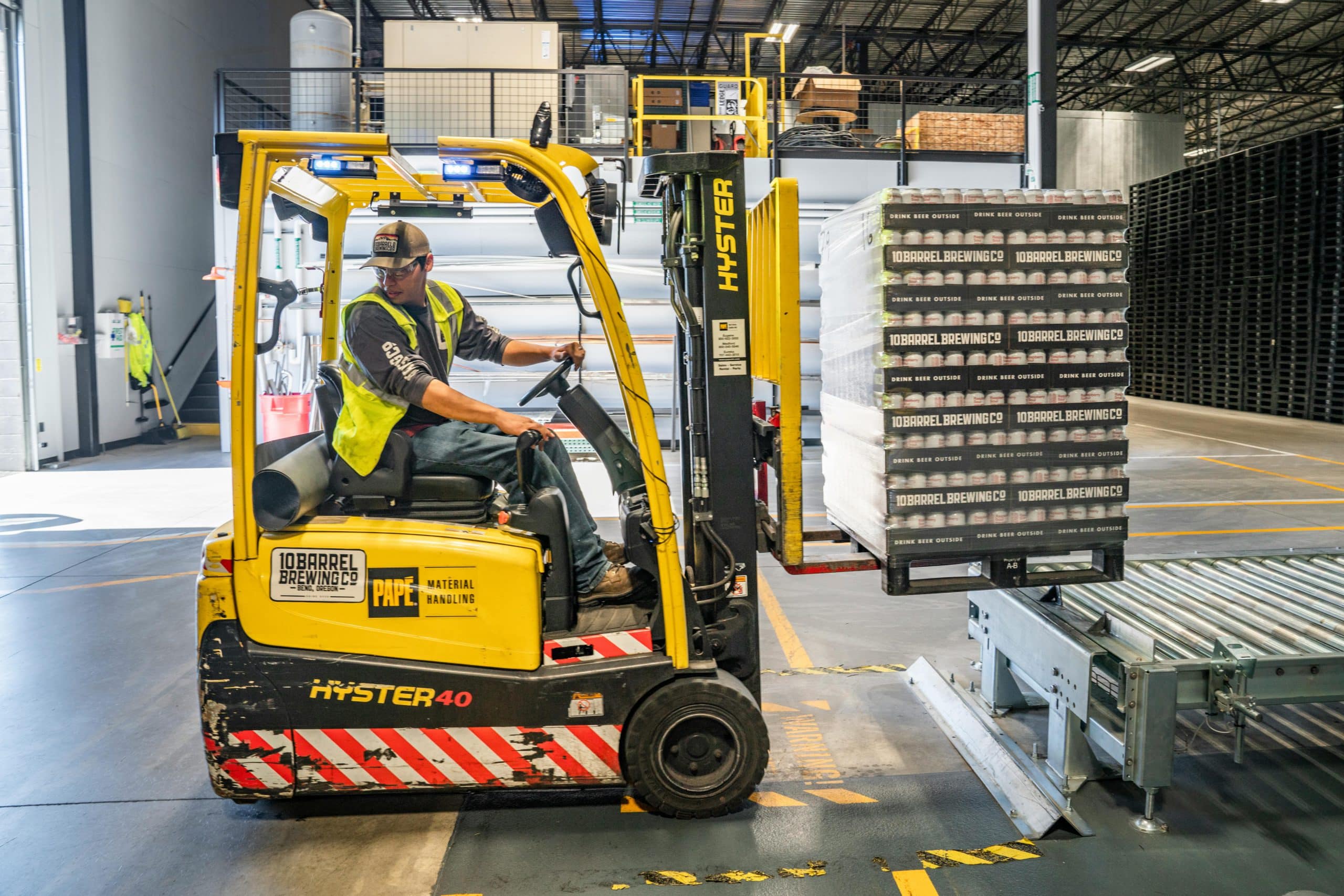
Worksites of all kinds often involve the constant movement of people, vehicles, and machinery. Where there’s movement, there’s risk. That’s why a Traffic Management Plan (TMP) is essential in maintaining a safe, efficient, and legally compliant work environment.
What Is a Traffic Management Plan?
A Traffic Management Plan is a formal document that outlines how traffic—whether pedestrian, vehicular, or mechanical—will be managed safely within a workplace. This includes organising routes for forklifts, delivery trucks, on-site vehicles, and foot traffic to prevent accidents, congestion, and confusion. The plan also details signage, speed limits, right-of-way rules, and designated zones for different activities.
Why a TMP Is Crucial in Any Work Environment
Protecting People
The top priority for any employer is to ensure the health and safety of workers and visitors. In dynamic workplaces like warehouses or manufacturing plants, collisions between vehicles and pedestrians are a major risk. A TMP reduces these risks by defining clear pathways, visual cues, and separation of pedestrian and vehicle zones, helping everyone stay alert and safe.
Legal and Regulatory Requirements
Occupational health and safety regulations often mandate that employers identify and control workplace hazards—including traffic hazards. Without a TMP, organisations may fail to meet compliance obligations, leading to fines, legal action, or shutdowns. A documented plan shows proactive risk management and satisfies audit or inspection requirements.
Operational Efficiency
A well-organised worksite is a more productive one. Efficient traffic flow minimises delays, bottlenecks, and miscommunications. When routes are clearly marked and procedures are known, goods and materials move faster and more smoothly. A TMP helps avoid costly disruptions caused by accidents or logistical errors.
Safeguarding Equipment and Property
Collisions don’t just injure people—they also damage vehicles, inventory, and infrastructure. This leads to expensive repairs, downtime, and potential insurance claims. A TMP includes measures like visibility aids, speed restrictions, and designated parking and loading areas to prevent damage and keep assets protected.
Supporting Emergency Response
In any emergency—be it a fire, medical incident, or hazardous material spill—clear and unobstructed traffic routes are essential. A TMP should include emergency access and evacuation paths to ensure a quick, organised response. This can save lives and minimise harm in critical situations.
How to Develop a Traffic Management Plan
Developing an effective Traffic Management Plan requires a systematic approach that involves several key steps. The first step is to conduct a thorough risk assessment to identify the specific hazards associated with vehicle movements on the worksite. This involves analysing the site layout, the types of vehicles and machinery in use, and the nature of the work being performed. Once the risks have been identified, the next step is to develop traffic control measures to manage the flow of traffic and minimise the risk of accidents.
The development of a TMP should involve regular monitoring and review to ensure that the plan remains effective and relevant. This includes conducting audits and inspections to verify that the plan is being implemented correctly and identifying any areas for improvement. It also involves staying up to date with changes in regulations and standards to ensure that the TMP remains compliant.
Training and Communication for Traffic Management
Training and communication are critical components of an effective traffic management strategy. Ensuring that all workers and visitors are aware of the TMP and understand their role in maintaining safety is essential for preventing accidents and injuries. This involves providing comprehensive training on traffic management procedures and fostering a culture of open communication and continuous improvement.
In addition to initial training, ongoing education and refresher courses are essential for maintaining a high level of safety awareness. Regular safety briefings and toolbox talks can help to reinforce key messages and provide updates on any changes to the TMP. These sessions also provide an opportunity for workers to ask questions, share concerns, and contribute to the continuous improvement of the TMP.
Key Elements of an Effective TMP
- Assessment of on-site traffic risks
- Designated pedestrian walkways and crossings
- Vehicle routes, one-way systems, and signage
- Speed limits and visibility improvements
- Entry/exit protocols for vehicles
- Loading/unloading zones
- Parking and restricted access areas
- Emergency vehicle access routes
Conclusion
Traffic management is not just for roads or construction sites—it’s vital in any work environment where movement occurs. A strong Traffic Management Plan creates a safer, more efficient, and more compliant workplace by reducing risks, improving workflow, and preparing for emergencies. Whether you run a distribution centre, a mining operation, or a factory floor, implementing a TMP shows your commitment to safety and operational excellence.
By planning the way people and vehicles move through your site, you make sure that productivity doesn’t come at the cost of safety.
At Sherm Software, we can develop your Traffic Management Plan for you, taking away all that unnecessary stress. Get in touch with us today and let us help you.