
New Hearing Test Requirements for NSW Employers and Workers

New South Wales has introduced strengthened workplace hearing test requirements designed to reduce the risk of noise-induced hearing loss, one of the most common yet preventable workplace injuries in Australia. These obligations, set out under Clause 58 of the Work Health and Safety Regulation 2025 (NSW), came into force on 1 January 2024 and apply to any workplace where hazardous noise is present. While the Regulation commenced in early 2024, employers have been given until 1 January 2026 to complete the first round of testing for workers who were already employed before the changes began.

Who the Requirements Apply To

The new rules apply to workers who are frequently required to wear hearing protection because noise levels in their work environment exceed the legal exposure standard. This standard is defined as an eight-hour average noise level of 85 dB(A) or a peak noise level of 140 dB(C). When noise exceeds these limits and engineering or administrative controls cannot fully reduce exposure, personal hearing protection becomes necessary — and audiometric testing becomes mandatory.

Baseline and Ongoing Testing

Under the Regulation, any new worker entering a role involving hazardous noise must undergo a baseline audiometric test within three months of starting the job. This initial test establishes a reference point for future comparisons and allows early signs of hearing damage to be identified.

After the baseline test, all affected workers must be tested at least once every two years. In workplaces where noise levels are particularly high — such as environments consistently approaching or exceeding 100 dB(A) — more frequent testing may be required to ensure any hearing changes are detected quickly.

For workers who were already employed before 1 January 2024, the first test under the new requirements must be completed by 1 January 2026, giving employers a two-year transition period to bring their workforce into compliance.

How Testing Must Be Conducted

Audiometric testing under Clause 58 refers specifically to pure-tone air conduction threshold testing, which measures a worker’s hearing sensitivity in each ear across a range of frequencies. The assessment must be carried out by a competent person, such as a qualified audiologist or trained occupational health provider, in accordance with recognised standards like AS/NZS 1269.4:2014.

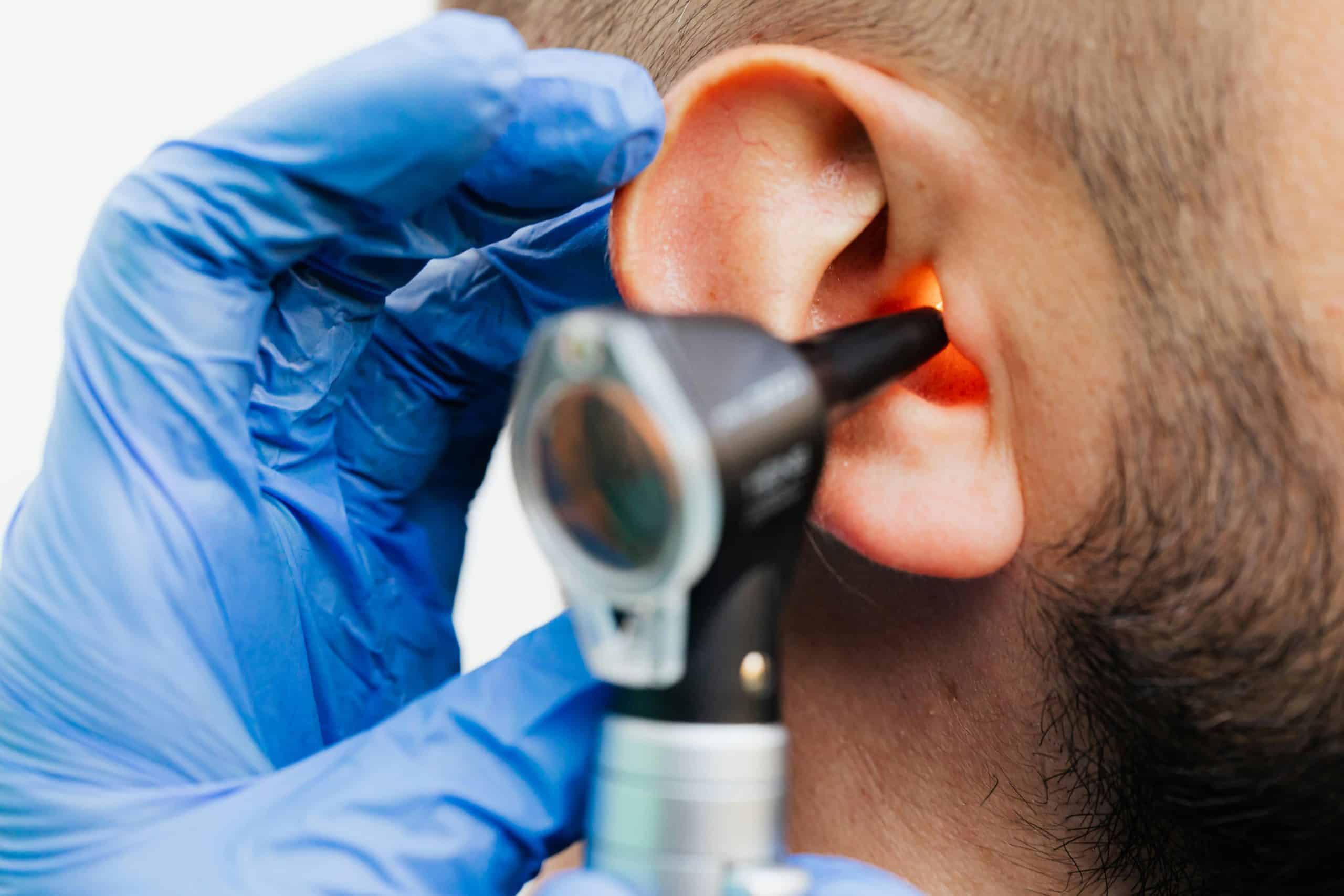
Before the test, the tester should examine the worker’s ear canals for obstructions such as ear wax, which could affect the accuracy of the results. After the test, the worker must receive an explanation of their results, including whether any changes in hearing thresholds have been identified.

What Happens if Hearing Loss Is Detected

A central purpose of the new requirements is to ensure that employers not only test workers’ hearing but also act on the findings. If a test shows a significant permanent threshold shift or signs of hearing damage such as tinnitus, the employer is required to review the workplace’s noise controls. This may involve improving engineering solutions, altering work practices, upgrading hearing protection, or retraining workers to ensure equipment is fitted and worn correctly.

If the worker’s hearing loss affects their ability to perform their duties safely, the employer should consider reasonable adjustments, such as providing quieter work areas, alternative tasks, or additional communication support, depending on the nature of the job.

Record Keeping and Worker Rights

Employers must maintain confidential records of all audiometric test results. These records help track changes in hearing over time and serve as an important part of the employer’s WHS documentation. Workers must be provided with a copy of each of their results and should receive their records if they leave the organisation.

The strengthened requirements also give workers clearer rights: the right to be tested, the right to understand their hearing health, and the right to expect meaningful action if hearing loss is identified.

Why These Requirements Matter

Noise-induced hearing loss is irreversible, but it can be prevented through monitoring and early intervention. By embedding audiometric testing into the WHS Regulation, NSW has recognised that hearing protection alone is not sufficient. Regular testing ensures that PPE is genuinely effective and that broader noise-control measures are functioning as intended.

For employers, the responsibilities are now explicit: they must identify which roles involve hazardous noise, schedule and pay for audiometric testing, keep accurate records, and take corrective action where needed. For workers, the new requirements offer greater protection and visibility around their hearing health, ensuring potential issues are detected before lasting damage occurs.

Moving Forward

As the 1 January 2026 deadline approaches for existing workers, it is essential that businesses review which roles fall under the Regulation and put in place a clear testing plan. Many workplaces are already turning to mobile audiometric providers and scheduled rotation systems to ensure assessments are carried out efficiently with minimal disruption.

Ultimately, these reforms aim to create safer, healthier workplaces where hearing loss is no longer an accepted consequence of high-noise environments but a preventable outcome supported by robust monitoring and regulatory oversight.

Sherm Safety Management Software helps to ensure your workers audiometric tests are current using Health Information records which are maintained in the People module. A Review Date attached to the audiometric test information in Sherm, allows for notifications to be sent to Management ensuring retesting every two years is scheduled.

Sherm maintains all records of audiometric test results, allowing the employer to track changes in hearing over time easily. Workers also have access to their audiometric test results and other Health Information when required.

Get in touch with us today and learn more about Sherm Software’s features.

Work Health and Safety Risk Management Strategies

Introduction

Work Health and Safety (WHS) is a fundamental aspect of business operations, ensuring that workplaces remain safe and free from hazards that could cause injury, illness, or death. The WHS framework is governed primarily by the Model Work Health and Safety Act (2011), which has been adopted by most states and territories. This legislation places a legal obligation on businesses and individuals to identify, assess, and manage risks to protect workers and others from harm. Effective WHS risk management strategies are essential for compliance, employee wellbeing, and organisational sustainability.

  1. The Legislative Framework

The Model WHS Act and Regulations, developed by Safe Work Australia, provide a nationally consistent approach to managing workplace health and safety. Key elements include:

  • Primary Duty of Care: Employers, or Persons Conducting a Business or Undertaking (PCBUs), must ensure, as far as reasonably practicable, the health and safety of workers and others affected by their operations.
  • Consultation Requirements: PCBUs must consult with workers and health and safety representatives (HSRs) on matters that affect their health and safety.
  • Due Diligence: Officers (such as company directors) must demonstrate proactive management of WHS risks.

Each state and territory enforces these laws through its own regulatory authority, such as SafeWork NSW, WorkSafe Victoria, and WorkSafe Queensland.

  1. The Risk Management Process

The WHS risk management process follows a systematic approach outlined in the Code of Practice: How to Manage Work Health and Safety Risks. The four key steps are:

Step 1: Identify Hazards

This involves recognising potential sources of harm, such as physical hazards (machinery, noise), chemical hazards (toxic substances), biological hazards (infections), psychosocial hazards (stress, bullying), and ergonomic hazards (poor workstation design). Hazard identification can be done through workplace inspections, incident reports, and worker consultation.

Step 2: Assess Risks

Risk assessment determines the likelihood and consequence of harm occurring. Tools such as risk matrices help organisations prioritise which risks require immediate control. While not always mandatory, formal risk assessment is recommended for complex or high-risk tasks.

Step 3: Control Risks

The hierarchy of control is a key WHS principle used to eliminate or minimise risks. It prioritises control measures as follows:

  1. Elimination – Remove the hazard entirely.
  2. Substitution – Replace the hazard with something safer.
  3. Engineering Controls – Isolate people from the hazard.
  4. Administrative Controls – Change the way people work (e.g., procedures, training).
  5. Personal Protective Equipment (PPE) – Use protective gear as a last resort.

Step 4: Review and Monitor Controls

Risk control measures must be regularly reviewed to ensure they remain effective, particularly after incidents, workplace changes, or the introduction of new equipment or processes.

  1. Key Strategies for Effective WHS Risk Management

To embed WHS risk management within organisational culture, the following strategies are recommended:

  • Leadership and Commitment: Senior management must demonstrate visible commitment to WHS through policies, resources, and active participation.
  • Worker Involvement: Engaging workers in decision-making fosters a safety culture and improves hazard identification and compliance.
  • Training and Education: Ongoing WHS training ensures that workers understand risks and know how to manage them effectively.
  • Incident Reporting and Investigation: A transparent reporting system encourages early identification of hazards and prevents recurrence.
  • Use of Technology: Digital WHS management systems and real-time monitoring tools enhance data collection, risk assessment, and compliance tracking.
  • Continuous Improvement: Organisations should use performance indicators and audit results to improve their WHS systems continuously.
  1. Emerging WHS Challenges

Modern workplaces face new challenges that require adaptive risk management strategies, including:

  • Psychosocial Risks: Managing mental health, workplace stress, and harassment.
  • Remote and Hybrid Work: Ensuring home office safety and ergonomic compliance.
  • Automation and AI: Addressing safety risks linked to human-machine interaction.
  • Climate Change: Mitigating heat stress, air quality issues, and extreme weather impacts on outdoor workers.

Conclusion

Effective Work Health and Safety (WHS) risk management is not only a legal obligation but also a cornerstone of sustainable business practice. By systematically identifying, assessing, controlling, and reviewing workplace risks, organisations can protect their workforce, enhance productivity, and foster a positive safety culture. As the nature of work continues to evolve, businesses must remain proactive, innovative, and compliant in managing health and safety risks for all.

If you are unsure as to what potential risk exposures your organisation may be facing, get in touch with us today. At Safety for Life we provide practical assistance in the development of an effective Risk Management Program and strategies to assist you to minimise your risk exposures.

If you are considering a safety software application for the management of risk, then please consider Sherm. Sherm Software is an essential safety management system for your organisations WHS Risk Management. Worker involvement, training and incident reporting and investigation ensure real-time monitoring is easily achieved. Sherm’s new dashboard performance indicator helps with continuous improvement of your organisations WHS Management System without the need to go searching.

Sherm Software empowers businesses to prioritise safety, achieve compliance, and build a resilient workplace culture. Get in touch today and learn more.